
Ever felt like you’re the bullseye in a game of darts, with critics taking aim at every move you make? Welcome to my world. But instead of ducking, I’m here to catch those darts and show you how they can be the very tools to build something enduring.
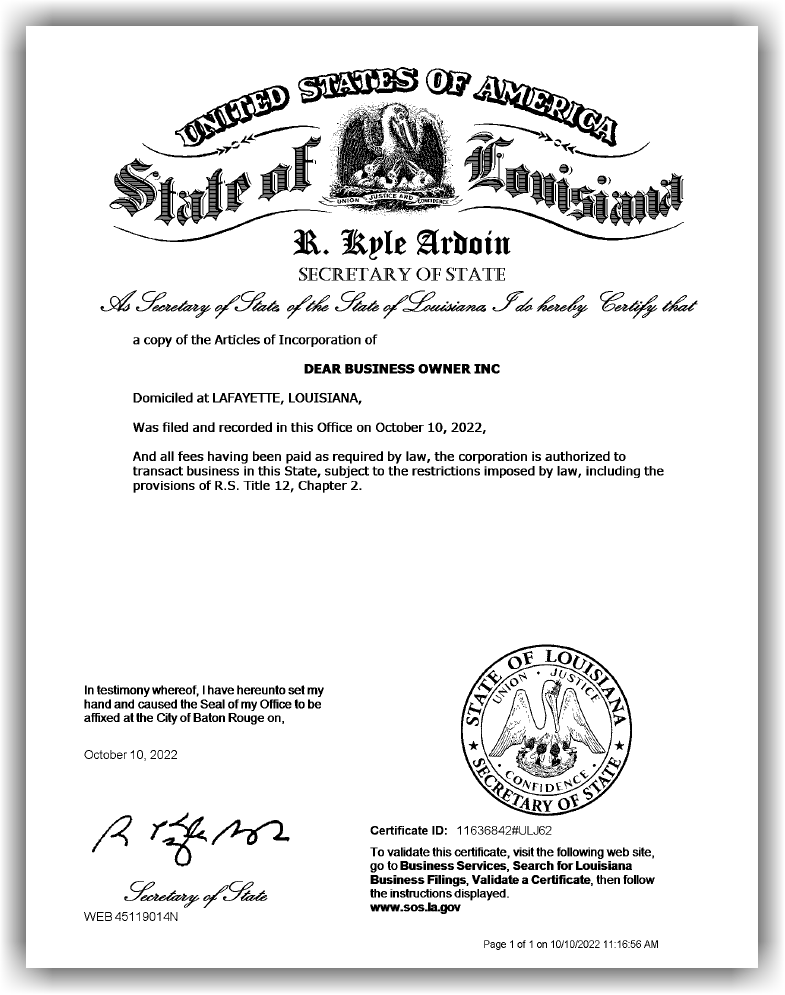
Imagine navigating a maze where every turn is met with skepticism, yet you hold a map that others deem unconventional. That’s been my journey in establishing c-corps and nonprofit organizations.
While many adhere to traditional routes, I’ve discovered a strategic path that not only aligns with IRS regulations but also offers greater control and efficiency.
1. The Misunderstood Rule: Donating to Your Own Nonprofit
“Wait, you donate to your own nonprofit? Isn’t that illegal?” If I had a dollar for every time I heard that…
The IRS doesn’t prohibit donating to a nonprofit you have ties to. The key is ensuring that the donation doesn’t result in personal benefit. The misconception arises when individuals conflate ownership with direct personal gain.

Always maintain clear records of donations and ensure that funds are used strictly for the nonprofit’s mission. Transparency is your best defense.
“Clarity and transparency are the cornerstones of trust in the nonprofit sector.” – Jane Doe, Nonprofit Consultant
2. Think Like a Corporation: The Power of the C-Corp Structure
Why did I choose a C-Corp over a traditional nonprofit structure? Control and strategy.
Starting with a C-Corp provides flexibility. Once established, applying for 501(c)(3) status transforms it into a tax-exempt entity. This approach streamlines processes like banking and grant applications.

“Structuring your nonprofit strategically from the outset can save countless hours and resources down the line.” – John Smith, Tax Attorney
3. Board Composition: Quality Over Quantity
Think you need a boardroom full of directors to start a nonprofit? Think again. While the IRS recommends a minimum of three board members, it’s more about the quality and independence of the board than sheer numbers.
“A well-structured board is the backbone of a successful nonprofit.” – Emily Johnson, Governance Expert
4. Leveraging Your C-Corp: Service Contracts with Your Nonprofit
Can your nonprofit hire your C-Corp for services? Absolutely, if done right. Your nonprofit can contract your C-Corp for legitimate services, provided the transactions are at fair market value and properly documented.


