
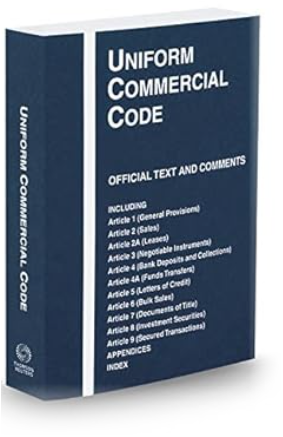
If you have ever applied for business funding — whether through Stripe Capital, traditional banks, or other lenders — you may have heard of UCC filings. Understanding the Uniform Commercial Code (UCC) Articles 1-9 is essential for protecting your business assets and making informed financial decisions.
What is a UCC Filing?
A UCC-1 financing statement is a public notice that a lender has a legal right to certain assets as collateral if you default on a loan. Stripe Capital loans often include a UCC-1 filing, meaning Stripe has a security interest in your receivables until your loan is paid off. Once you repay, you may need to request the termination of the UCC-1 filing to clear your business credit profile.

Breakdown of UCC Articles 1-9
-
UCC-1: Secured Transactions – Governs security interests in personal property and public filings
-
UCC-2: Sales of Goods – Governs transactions for the sale of goods over $500
-
UCC-3: Amendments – Used for modifying or terminating a UCC-1 filing
-
UCC-4: Bank Deposits and Collections – Deals with check processing and bank deposits
-
UCC-5: Letters of Credit – Governs the issuance and regulation of letters of credit
-
UCC-7: Warehouse Receipts and Bills of Lading – Covers documents used in shipping and storage
-
UCC-8: Investment Securities – Governs stocks, bonds, and other securities transactions
-
UCC-9: Secured Transactions (Expanded) – Covers additional details about secured loans and how creditors can claim collateral
Why Business Owners Need to Know This
-
Protect Your Assets – Check your UCC filings regularly. Lingering security interests from repaid loans can block future financing.
-
Negotiate Better Terms – Understanding UCC-1 helps you negotiate loan agreements. Push for a limited UCC filing on specific equipment rather than a blanket filing against all business assets.
-
Build Stronger Credit – Terminating old UCC-1 filings keeps your business credit profile clean and improves your fundability.


